Selling lamps in a home decor store by showing them lit
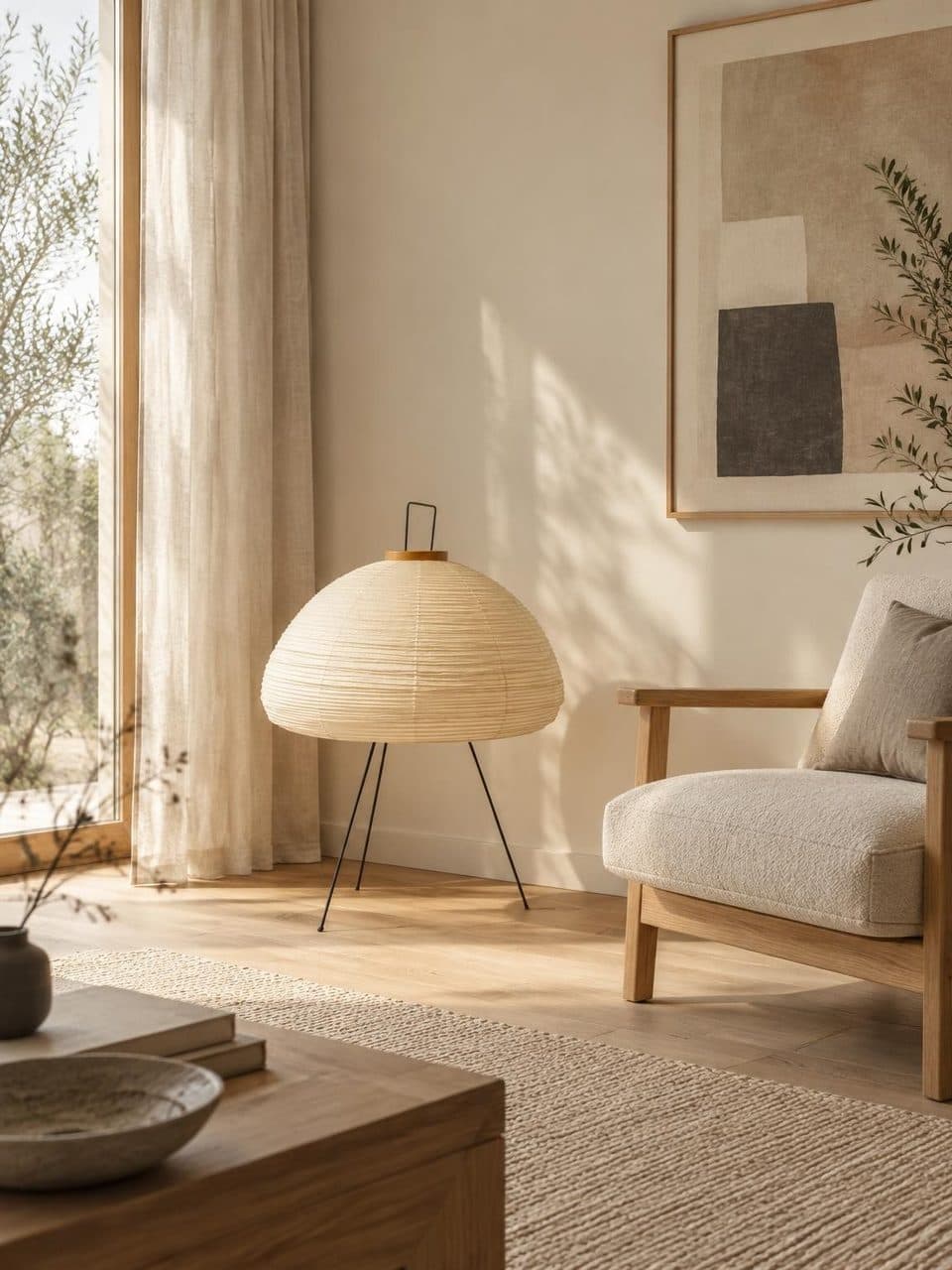
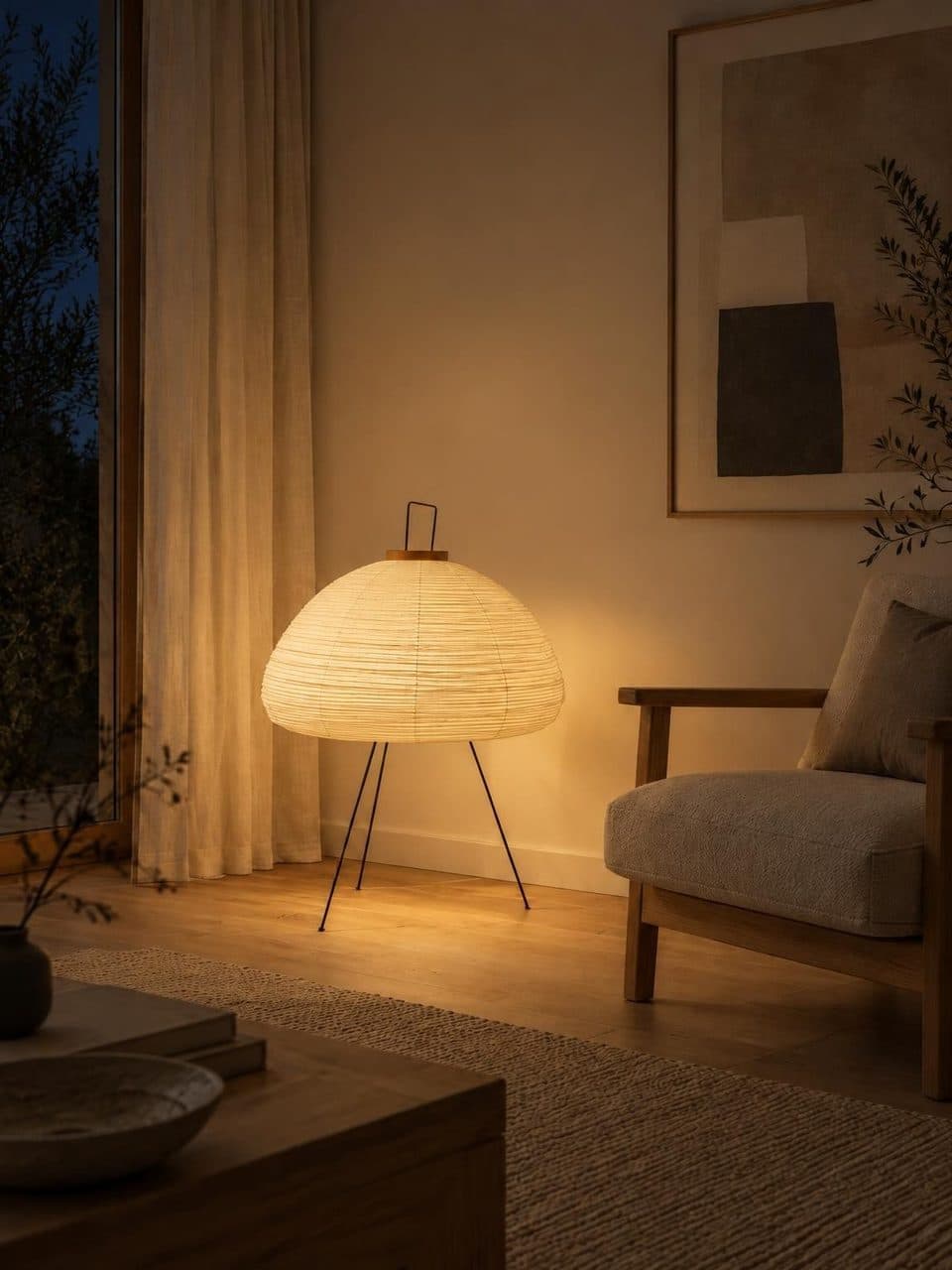
In a home decor store, a lamp competes with cushions, mirrors and vases. Show it in a room that matches your style, by day and at night with the light on, and it becomes the piece that makes the corner.
In short
Selling lamps in a home decor store works better when they appear as part of a room, not as a loose object on a shelf. Lucy does that with your lamps. Each one appears in a room by day and lit at night, in your store's style, with WhatsApp enquiries and an address to share on Instagram, for US$20 a month.
What keeps lamps from selling in a decor store
They get lost in the shop
Among textiles, tableware and objects, a lamp sitting switched off on a table is one more item. Under the store's overhead lights, nobody sees the light it gives.
On Instagram they look switched off
A product photo shows the shade and the base, not the warm corner the customer pictures. And that corner is exactly what a decor store sells.
Customers buy a look
People walk into a decor store wanting things to go together. When the lamp is shown alone, they have to guess whether it suits their living room.
Phone photos for every enquiry
When someone asks by message, a staff member switches the lamp on and takes photos. Every enquiry repeats the work, and the result depends on the light that day.
How a decor store gets started with Lucy
- 1
Subscribe
Start the US$20 monthly plan. It includes the catalog load, the day and night scenes and every feature.
- 2
Pick your style
Choose from Nordic, Japandi, Industrial, Mid-century and Parisian, whichever is closest to what you sell, so the scenes speak the same language as your shop.
- 3
Send your lamps
Share photos, names and prices. The Lucy team loads each lamp and creates its day scene and its night scene with the light on.
- 4
Add it to your channels
Put the address in your Instagram bio, send each lamp's link on WhatsApp and print the QR code for the counter.
Selling lamps in a home decor store starts with a room
A lamp is the piece that changes a room once the sun goes down, and in a decor store it sells best when the customer sees it doing that. Show it surrounded by furniture and textures that feel like your store, and show it lit.
The sale plays out in three places. In the shop, where the lamp sits switched off among other things. On Instagram, where the customer discovers it. And in chat, where they ask about price and size. Lucy covers the last two with the day and night scenes, and helps with the first through the QR code and TV mode.
Pick a style that looks like your store
A store with a Scandinavian feel, light woods and natural textiles fits Nordic. One built around ceramics, paper and linen fits Japandi. If you sell 1950s and 1960s design pieces or reissues, Mid-century puts them in context.
Light also signals style. A paper or fabric shade gives a soft, even glow, while a metal shade throws the light downward. Seeing the night scene helps the customer understand that difference before buying.
What Lucy covers in a store that sells a bit of everything
Lucy shows lamps. Your cushions, tableware and mirrors are not part of the showroom, and the furniture and objects in the scenes are not your products. What you get is a lamp catalog with your logo, your colors, contact details and social links, which you link from your website or Instagram.
There is no checkout either. Customers ask on WhatsApp with the lamp's name and link, and the sale continues in your chat or in the shop.
Frequently asked questions
Do I need a lot of lamps for it to be worth it?
There is no minimum. The plan is US$20 a month with unlimited products, so it works for a small selection and for a large line. With only a few lamps, the showroom is quick to browse on a phone and every piece gets room to stand out.
Can I show other decor products?
Lucy is built for table, floor, ceiling and wall lamps, and every product is shown by day and lit. Cushions, mirrors or vases have no such scene, so the rest of your store is better kept on your website or Instagram.
How do I use it with Instagram?
Put your showroom address in your bio and send each lamp's link when someone asks by message. Whoever opens it sees the lamp by day, switches it on with a tap and messages you on WhatsApp from the same page.
How much does it cost?
US$20 a month, one plan with everything included. The Lucy team loads your lamps, there are no charges per image or per product, and you can cancel anytime. If you cancel, you keep access until the end of the paid period.
Keep reading
- StylesJapandi stylePaper, wood and ceramic lamps, warm light and plenty of empty space. How to light a Japandi room.
- FeaturesWhatsApp inquiriesEvery lamp has a WhatsApp button. Inquiries arrive with the product name and a link to its page.
- GuidesWhat is a virtual showroomDefinition, types and which one suits a lighting store, from 360° tours to staged scenes.
Your catalog, by day and lit at night
We migrate your catalog, stage every lamp, and you edit prices whenever you want.